Undetected
Discover What an HWID Spoofer Does for Safety
An HWID spoofer does not swap your SSD. It changes the serials Windows and a kernel anti-cheat read when they ask “which machine is this?” That is the safety job people mean: a new reported fingerprint, same physical parts.
What HWID actually is
HWID is not one serial. Anti-cheat builds a fingerprint from several reads: motherboard SMBIOS, disk serials, network MAC, GPU identifiers, and Windows install data. Some stacks also look at TPM. Change one easy value and leave the rest, and the set still matches.
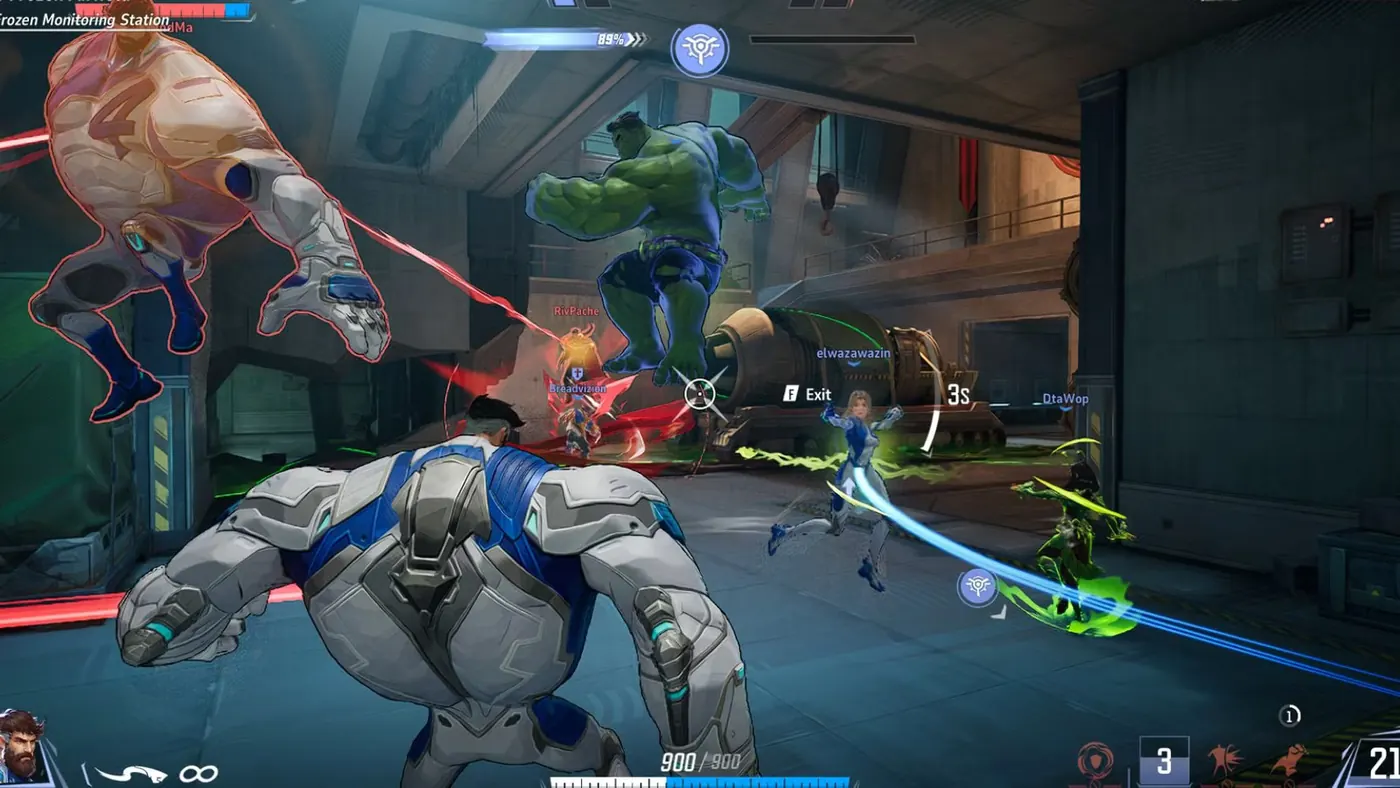
NACE is NetEase Anti-Cheat Experts. It is a kernel-level service NetEase documents as monitoring, analysis, detection, and penalty. Marvel Rivals starts that protection with the client. NetEase has said a launch parameter only hides the pop-up. It does not turn the anti-cheat off.
Repeat offenders can get more than an account wipe. Official notes cover permanent bans plus device and IP penalties. That is why shops talk about spoofers and DMA in the same breath as cheat maintenance.
What the spoofer actually does
A session spoofer sits between the query and the hardware. The disk still has the factory serial. The answer returned to software is a generated one. Reboot without the tool and the real IDs come back. That is safer for the board than flashing firmware.
Usermode-only tools change what some apps see and fail when a kernel driver reads the same ID a different way. Incomplete packs that only randomize MAC are the same trap. A coherent set has to move together or the fingerprint still collides.
There is a ceiling. TPM endorsement keys and CPU silicon identity are not something a consumer tool rewrites cleanly. OTP data on some boards does not move at all. Treat “permanent clean HWID” banners as marketing.
Safety that is not a GitHub .exe
Random GitHub spoofers ask for kernel access and often ship extra payloads. Download unsigned “one-click Marvel Rivals HWID” zips and you are trusting a stranger with Ring 0. That is a PC problem before it is a game problem.
Cloud-DMA and AWS options move memory reads off the game box. That is a hardware split, not a serial rewrite. It does not make a noisy aimbot look human. It does change where the software runs. See Features for those options.
Check Status after a NACE or client patch. Pair this with the hacks comparison if you are choosing a stack, then Setup after you buy. The Store is monthly or lifetime.
FAQ
What does an HWID spoofer do?
It intercepts hardware ID queries and returns different values. Your physical SSD, board, and NIC stay the same. The anti-cheat’s fingerprint is built from the reported set, not from a sticker on the drive.
Does Marvel Rivals issue hardware bans?
NetEase has said verified cheating can lead to permanent bans, and repeat cases can include device and IP penalties. NACE runs with the client. A new account on the same reported fingerprint can still match a flagged machine.
Is a session spoof permanent?
Usually no. Session tools hold fake values in memory until reboot. Persistent rewrites try to survive a restart on supported IDs. Neither rewrites every silicon identity. TPM and some board OTP values stay put.
Should I use a free GitHub spoofer?
No. Kernel tools from random repos are a common malware path. If you need isolation, look at a maintained stack with Cloud-DMA or AWS options and a public Status page — not an unsigned Manager.exe.
Does a spoofer replace checking Status?
No. A fingerprint change does not keep an old ESP build current after a NACE revision. Wait for Status, then queue. Spoofing a banned ID into an outdated binary is still an outdated binary.
Get the full stack for Marvel Rivals Cheats
Hero ESP, aimbot, and cooldown tracker in one Windows PC license. Check Status after patches, then queue.